
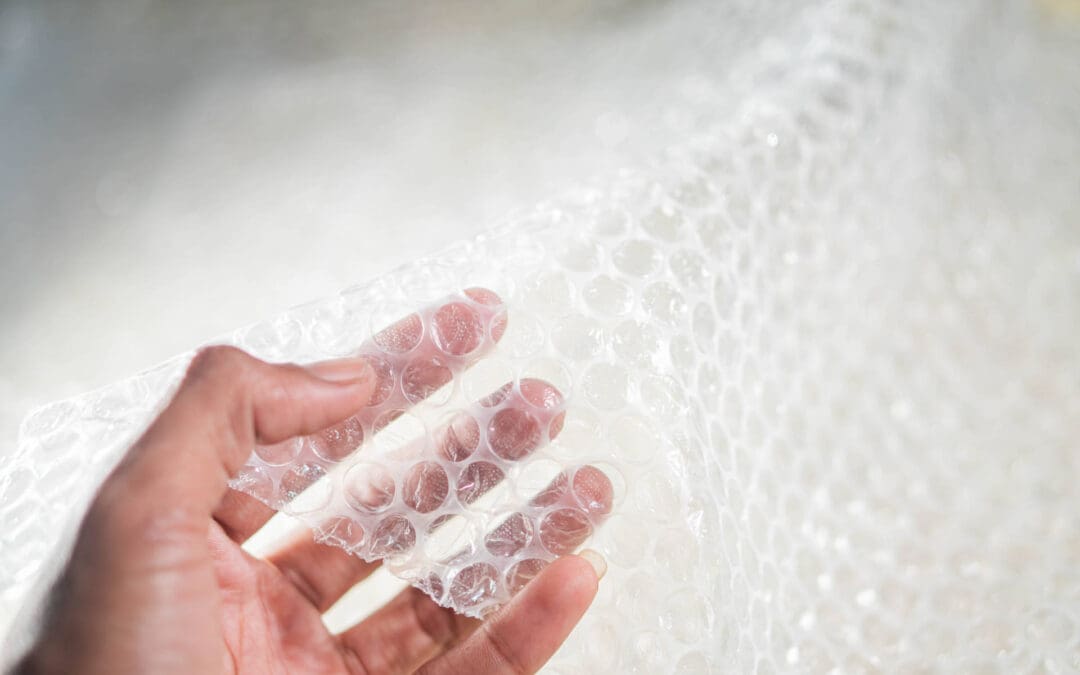
What is Bubble Wrap? Understanding the Basics
Bubble wrap is a protective packaging material made from plastic, characterized by its air-filled bubbles that provide cushioning and shock absorption for various products. It is widely used in shipping, moving, and storage to protect fragile items from impact and damage. The bubbles can vary in size and thickness, depending on the specific application and level of protection required.
The History of Bubble Wrap
1. Invention and Early Development
Bubble wrap was invented in 1957 by Alfred W. Fielding and Marc Chavannes. Initially, it was created as a textured wallpaper, intended to be a new type of wall covering. However, the inventors quickly realized that the material had far more potential as a protective packaging solution.
2. Commercial Use Begins
In 1960, Fielding and Chavannes founded a company called Sealed Air Corporation. They began marketing bubble wrap as a packaging material, capitalizing on its unique properties that made it ideal for protecting delicate items during shipping. The product gained popularity rapidly, especially among businesses looking for effective ways to safeguard their products.
3. Evolution of Bubble Wrap
Over the years, bubble wrap has evolved significantly. Different variations have been developed, including anti-static bubble wrap for electronic components and biodegradable options to meet environmental concerns. Today, bubble wrap is recognized as an essential packaging material across numerous industries, including e-commerce, electronics, and fragile goods manufacturing.
Benefits of Owning a Bubble Making Machine for Your Business
Investing in a bubble-making machine can offer numerous advantages for businesses involved in packaging and shipping. Here are some key benefits:
1. Cost Efficiency
Producing bubble wrap in-house can significantly reduce packaging costs over time. Buying bubble wrap in bulk can be expensive, especially for businesses that require large quantities. By making your own bubble wrap, you can lower overall expenses associated with purchasing packaged materials from suppliers.
2. Customization
A bubble-making machine allows businesses to create custom-sized bubble wrap tailored to specific products. This level of customization ensures that items are protected precisely according to their dimensions, reducing waste and enhancing overall packing efficiency.
3. Quality Control
Owning a bubble-making machine gives you complete control over the quality of the bubble wrap produced. You can ensure that the material meets your business standards in terms of thickness, size, and durability. This control is vital for maintaining the quality of packaged products and minimizing the risk of damage during transit.
4. Increased Production Speed
With a bubble-making machine, businesses can produce large quantities of bubble wrap quickly. This efficiency can lead to faster packing times and improved overall productivity. When items are packed efficiently, businesses can fulfill orders more rapidly, leading to enhanced customer satisfaction.
5. Flexibility in Material Use
Bubble-making machines often allow users to choose different types of plastic materials for production, such as recycled or eco-friendly options. This flexibility enables businesses to align their packaging practices with sustainability goals while still providing effective protection for their products.
6. Reduced Storage Requirements
Producing bubble wrap on-demand means you do not need to maintain large inventories of pre-made bubble wrap rolls. This reduction in storage requirements can lead to more efficient use of warehouse space and lower overhead costs associated with storing excess packaging materials.
7. Enhanced Branding Opportunities
By producing your own bubble wrap, you can incorporate branding elements into the packaging material itself. Custom-printed bubble wrap can serve as a marketing tool while providing protection for your products. This added visibility can enhance brand recognition and contribute to a positive customer experience.
8. Environmental Considerations
With growing concerns about plastic waste, many businesses are looking for ways to be more environmentally friendly. By producing biodegradable or recyclable bubble wrap in-house, businesses can take steps toward reducing their environmental impact while maintaining effective packaging solutions.
9. Improving Customer Experience
The protective qualities of bubble wrap are essential in ensuring that products arrive at their destination in pristine condition. By owning a bubble-making machine and producing high-quality bubble wrap, businesses can enhance their customer experience by reducing product damage and returns.
Conclusion
Bubble wrap has become an integral part of packaging solutions worldwide since its invention in 1957. Understanding its history helps appreciate its role in modern shipping and logistics. For businesses involved in packaging and shipping fragile items, investing in a bubble-making machine presents numerous benefits—from cost savings to customization options and improved quality control.
As e-commerce continues to thrive and the demand for safe packaging grows, owning a bubble-making machine could position businesses favorably in a competitive landscape. The ability to produce high-quality bubble wrap tailored to specific needs not only streamlines operations but also contributes to customer satisfaction and environmental responsibility.
For more information on packaging solutions, including bubble-making machines, Contact Us!